
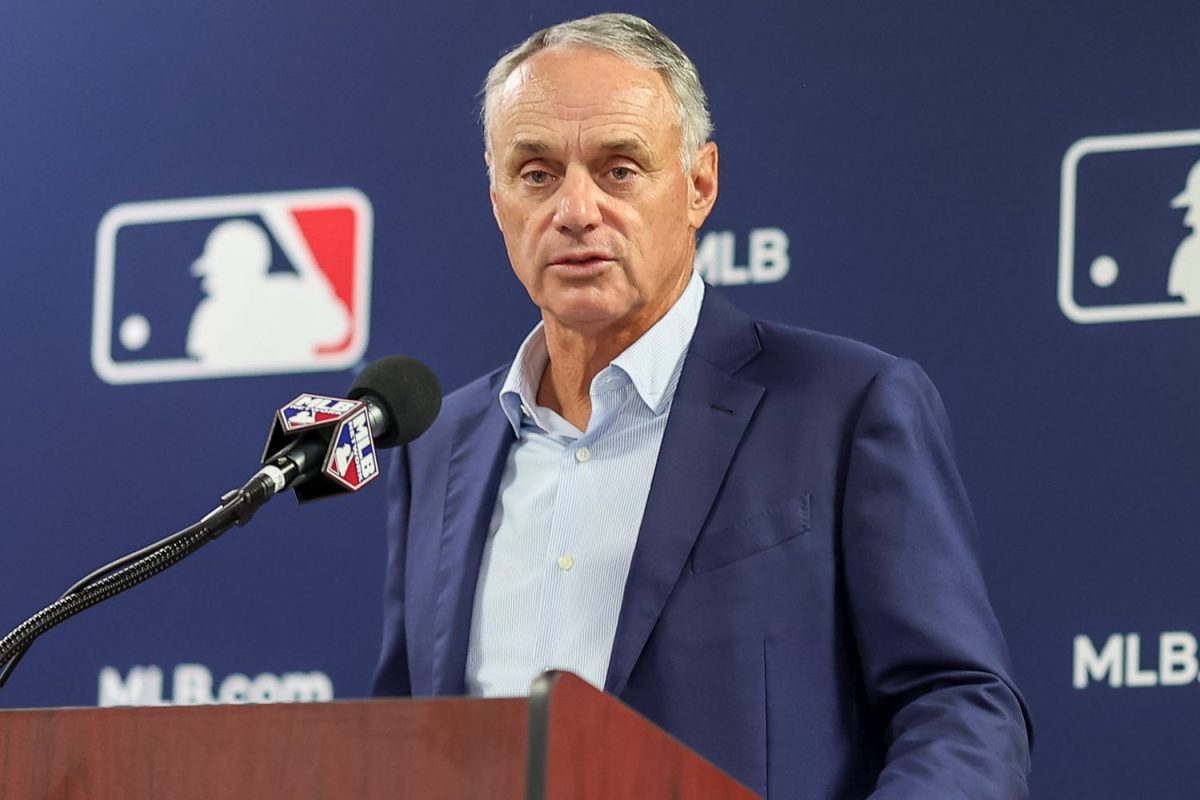
Major League Baseball has had its fair share of lockouts over the past half-century. Ever since the MLB Player’s Association entered the scene in 1966, agreement over the complex nature of baseball economics hasn’t been easy to come by. Concepts such as free agency, minimum player salaries, and the dreaded salary cap have plagued the business on multiple occasions. In some cases, these disagreements have literally locked the doors to the ballparks, and delayed or even cancelled MLB seasons. Unfortunately, the 2027 MLB season could potentially be the next victim of a lockout.
In 1995, league operations shut down for 232 days as a result of a player strike over a proposed salary cap. A salary cap effectively limits the amount of money a team can spend on their players, which intensifies the element of financial strategy. For players, this would result in lower salaries for many players, with star players being affected the most. A salary cap would kill many large contracts, a major fear to players and the Association alike.
The current Collective Bargaining Agreement between the two sides is set to expire on December 1st, 2026. The MLB and MLBPA are expected to explore multiple topics, but another salary cap proposition will dominate the negotiations. What complicates the matter this time around, is that the owners will be the side holding out. Early indications point towards an imminent delay of free agency. Additionally, some concerns have extended all the way to the possibility of missing games in 2027. The Chicago Cubs president Jed Hoyer is the prominent example of this concern, as he’s been constructing his roster to have payroll flexibility in 2027 with the threat of a lockout in mind. However, other front offices are “proceeding normally,” as the Phillies president Dave Dombrowski put it. It’s safe to say that if MLB operations shut down, no two teams will see the same effects.
While the salary cap is the headliner in all discussions, several other changes on the margins will be packaged with the cap. With a salary cap, a salary floor will almost certainly follow, instantly changing the scope of the lower end of payrolls as well as the upper end. An entirely new cap-and-floor system will also come with changes to revenue sharing. The current model brings tons of funds to smaller markets, who often don’t reinvest those funds into their rosters. A salary cap/floor system would essentially redirect the cash flow towards the players, as smaller market teams would have to invest shared revenue into their roster.
Another key issue that the sides will discuss is the centralization of media rights. Currently, TV rights are a huge discrepancy in the system, with major gaps from team-to-team. As a local example, the Los Angeles Dodgers generate approximately $334 million annually from their agreement with Spectrum TV. Meanwhile, the Padres make an estimated $20-30 million annually from their new agreement to stream games through MLB.tv. Even before their agreement with Bally Sports collapsed in 2023, the $60 million in annual revenue doesn’t compare to their rivals up north.
All factors considered, the biggest piece of these negotiations will be how polarizing the future outcomes are. There’s little more room for compromise on the issue of spending disparity, and it’s shaping out to be a very one-or-the-other type of debate. The other piece to remember, is the hypothetical deadline for a lockout to impact MLB games. That deadline will be around mid-March, which will likely circulate throughout the negotiation process.
From the fans perspective, potentially losing a year of the most prominent baseball league in the world sounds horrific. From many viewpoints, it feels like there are no ‘winners’. The players would lose their salaries, and a small portion of their playing window. The league and its teams would lose out on revenue, and the fans would potentially lose MLB action.
However, the outcome could significantly better the league in the long term. If propositions for a salary cap and floor succeed, the MLB will enter a new era of competitive balance. If the Players’ Union gets their way, baseball will become its own tier in terms of player individuality and stardom. In any scenario, the league is likely to continue its recent rise in popularity over the past few years. What that evolution of the MLB will look like, we can only wait to find out.